

A well-built home should feel comfortable, practical and easy to live in. Every room should work properly, every finish should feel considered, and every system should support the way people use the space day to day.
That is why home automation integration in Stellenbosch should not be treated as an afterthought, especially when it forms part of a larger renovation or new build.
As more homeowners look at smart lighting, audio-visual systems, security, climate control and connected living, the best results usually come from planning these features during the build or renovation process. When automation is considered too late, homeowners can be left with messy cabling, visible trunking, awkward control points, limited upgrade options and unnecessary disruption.
At Rupping Construction, the focus is on practical planning, quality workmanship and a clean final result. This approach is especially important when technology forms part of the home. Smart systems should not feel forced into the building. They should be carefully integrated so they work naturally with the layout, finishes and everyday use of the property.
Why Home Automation Should Be Planned Before Construction Starts
Home automation is not only about gadgets. It is about how the home functions.
A well-planned system can help control lighting, sound, security, gates, blinds, entertainment, internet connectivity and energy use. But all of these systems depend on proper planning behind the scenes.
Before walls are closed, ceilings are finished or joinery is installed, homeowners and builders need to think about where cables, conduits, power points, switches, speakers, routers, screens and control panels will go.
This planning stage can make a major difference to the final outcome.
When home automation is considered early, the building team can allow for neat wiring routes, practical access points and future upgrades. When it is added too late, installation often becomes more complicated, more disruptive and less visually clean.
For homeowners in Stellenbosch planning a new build, home renovation or high-end upgrade, early planning can help avoid unnecessary frustration later.
The Difference Between Adding Technology and Integrating It Properly
There is a big difference between adding technology to a home and integrating it properly.
Adding technology usually means placing devices wherever there is space after the main construction decisions have already been made. This can work in some cases, but it often leads to compromises.
Proper integration means the technology is considered as part of the building process.
That includes thinking about:
- where people will naturally enter and move through the home
- where lighting control makes sense
- where TVs, speakers and entertainment systems will be positioned
- how Wi-Fi and connectivity will perform across the property
- where security cameras and access controls are needed
- how equipment can be hidden but still accessible for maintenance
- how future upgrades can be made without damaging finishes
The goal is not to make the home feel overly technical. The goal is to make daily life easier while protecting the quality of the final finish.
Smart Lighting That Works With the Way You Live
Lighting is one of the most common areas where homeowners start thinking about automation. Smart lighting can improve convenience, atmosphere and energy control, but only if it is planned properly.
In a new build or renovation, lighting should be considered alongside room layout, ceiling design, natural light, furniture placement and daily routines.
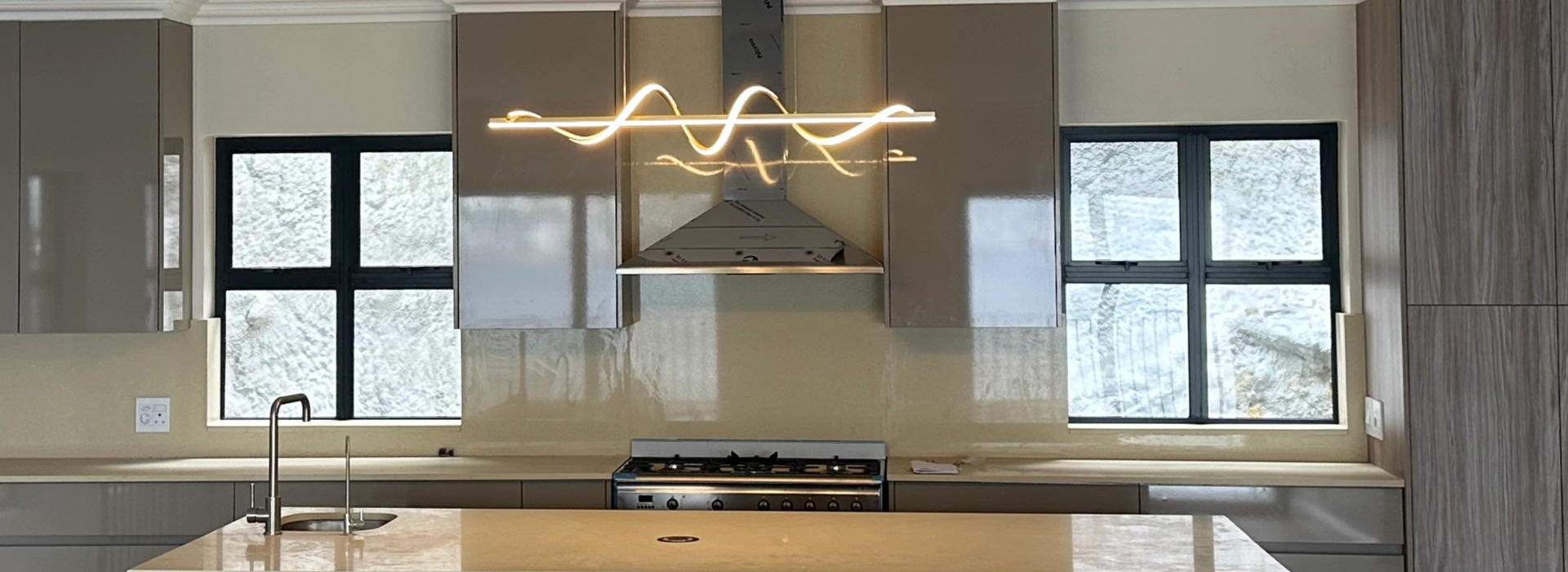
For example, a kitchen may need bright task lighting for food preparation, softer lighting for dining and practical night-time lighting for early mornings or late evenings. A living room may need different lighting scenes for entertaining, watching television or quiet evenings at home.
When these decisions are planned early, the builder and electrical team can coordinate wiring, switch positions and ceiling details cleanly.
Poor planning can result in switches in awkward places, too many visible controls, limited dimming options or lighting that does not suit the room’s actual use.
Audio-Visual Integration During a Build or Renovation
Audio-visual integration is another area where early construction planning matters.
Many homeowners want entertainment spaces that look clean and uncluttered. That may include wall-mounted televisions, built-in speakers, hidden cabling, media cupboards, outdoor audio or home cinema features.
To achieve this neatly, the construction team needs to understand where equipment will be placed and how it will be accessed.
Important questions include:
- Where will the TV or projector be positioned?
- Will cables need to run through walls or ceilings?
- Where will speakers be installed?
- Will there be a central media cabinet?
- How will equipment be ventilated?
- Will the system extend to outdoor entertainment areas?
- How will future maintenance be handled?
These details may seem small at the start of a project, but they can have a major effect on the finished look of the home.
A clean audio-visual installation depends on coordination between the homeowner, builder, electrician and AV specialist. When everyone understands the plan early, the final result is usually much neater and more practical.
Clean Cabling and Hidden Infrastructure
The best smart homes often look simple from the outside because the complex work has been handled behind the scenes.
Clean cabling is one of the most important parts of home automation integration.
This includes planning for conduits, cable routes, power supply, network points, distribution boards, control equipment and access panels. It also means making sure systems can be maintained without damaging ceilings, walls, cabinetry or finishes.
This is where a detail-driven construction approach matters.
Builders need to think ahead. Once plastering, painting, tiling and joinery are complete, changes become more difficult. A missed cable route or poorly placed access point can create unnecessary delays, cost and disruption.
Proper planning protects the finish of the home.
Home Automation in Renovations and Older Properties
Home automation is not only for new builds. Many Stellenbosch homeowners are also considering smart technology during renovations, alterations and upgrades.
Renovations can be a good time to improve lighting, add better internet coverage, upgrade security systems, hide AV cabling or prepare the home for future automation.
However, renovations can also be more complex than new builds because the construction team needs to work with the existing structure.
Older homes may have limited ceiling access, thick walls, unusual layouts or previous electrical work that needs to be assessed carefully. This makes planning even more important.
Before starting a renovation that includes home automation, homeowners should understand what can be done neatly, what may require opening walls or ceilings, and what should be prioritised while construction work is already taking place.
A practical builder will help identify the right sequence so technology upgrades do not interfere with the wider renovation process.
Why Future-Proofing Matters
Technology changes quickly. A smart home system that feels advanced today may need updates in a few years.
That is why future-proofing is such an important part of home automation integration.
Future-proofing does not mean installing every possible system from the beginning. It means making sensible construction decisions that allow for change later.
This may include installing spare conduits, allowing space for additional cabling, creating accessible service areas, improving network coverage or planning equipment locations with future upgrades in mind.
For homeowners, this can reduce the need for disruptive work later.
A home should be able to adapt as technology changes, family needs shift and lifestyle requirements evolve.
Home Automation and Property Value
A well-integrated smart home can improve the everyday value of a property. It can make the home easier to use, more comfortable and more attractive to future buyers.
However, poorly installed automation can have the opposite effect. Visible cabling, complicated controls, unreliable systems or mismatched finishes can make a home feel less polished.
The value comes from thoughtful integration.
When technology supports the home without overwhelming it, the result feels practical and well considered. The systems are useful, the finishes stay clean and the property feels more complete.
For homeowners investing in renovations or new construction in Stellenbosch, this is an important point. Smart features should add to the quality of the home, not distract from it.
Working With a Builder Who Understands the Whole Project
Home automation often involves several specialists. There may be electricians, AV installers, security providers, internet technicians, lighting designers and joinery teams involved.
Without proper coordination, small decisions can easily be missed.
A builder who understands the whole project can help keep these elements aligned. This includes coordinating timing, access, finishes and practical site requirements.
For example, an AV installer may need cabling completed before ceilings are closed. A lighting system may require specific switch positions before plastering. A media cupboard may need ventilation before joinery is finalised. A security system may need external cable routes before painting.
When these details are managed properly, the project runs more smoothly.
Questions to Ask Before Adding Home Automation
Before starting a new build or renovation, homeowners should think carefully about how they want the home to function.
Useful questions include:
- Which rooms need smart lighting?
- Do you want central control or simple room-by-room control?
- Where will televisions, speakers and entertainment systems go?
- Will outdoor areas need sound, lighting or security?
- Is the Wi-Fi strong enough throughout the property?
- Where should cameras, alarms or access control be positioned?
- Will the system need to connect to gates, garages or intercoms?
- Can the home be upgraded easily in future?
- How visible should the technology be?
- Who will maintain the system after installation?
These questions help create a clearer brief before construction begins.
The more clarity there is at the start, the easier it becomes to deliver a clean and practical final result.
Common Mistakes to Avoid With Smart Home Planning
Many problems with home automation come from late decisions or poor coordination.
Common mistakes include:
- deciding on AV and automation only after walls are closed
- not allowing enough power points or network points
- placing switches or controls in awkward positions
- forgetting about equipment ventilation
- not planning for future upgrades
- using visible cabling where concealed routes were possible
- failing to coordinate automation with lighting, joinery and finishes
- choosing systems without considering everyday usability
A smart home should make life easier. If it becomes too complicated, too visible or too difficult to maintain, the planning has missed the mark.
Building Smarter Homes in Stellenbosch
As homes become more connected, home automation integration in Stellenbosch will continue to become a more important part of residential construction and renovation planning.
But smart homes are not created by technology alone.
They are created through good planning, practical building decisions, clean workmanship and proper coordination between everyone involved in the project.
Whether the goal is better lighting, hidden AV cabling, improved security, stronger connectivity or a more comfortable living environment, the best time to think about these details is before construction begins.
A well-planned smart home should feel effortless. The technology should support the space quietly, while the home remains comfortable, beautiful and easy to use.
A Practical Approach to Home Automation and Building
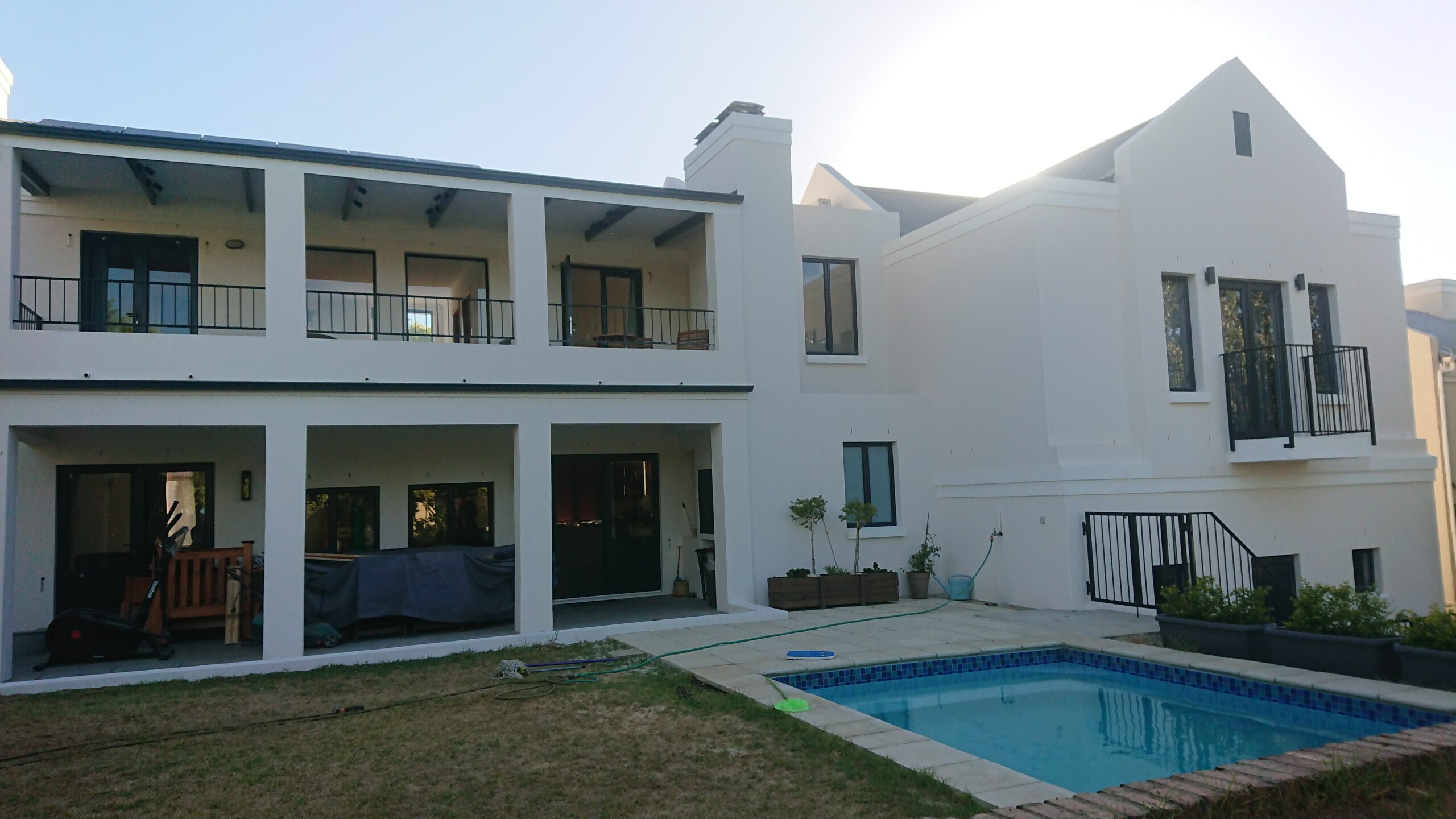
Rupping Construction works across residential construction, renovations, additions, outbuilding conversions, construction finishes and home automation integration in Stellenbosch and the surrounding Western Cape.
With a practical, detail-driven approach, the focus is on building homes and spaces that work properly from start to finish. That includes thinking carefully about the systems behind the walls, the finishes people see every day, and the way each space will be used in real life.
For homeowners planning a new build, renovation or smart home upgrade, the message is simple: plan early, coordinate properly and make sure the technology supports the home rather than complicating it.
Smart living starts with smart construction planning.
Explore Rupping Construction’s services, including commercial construction, construction compliance, practical outbuilding conversions and quality finishes.